
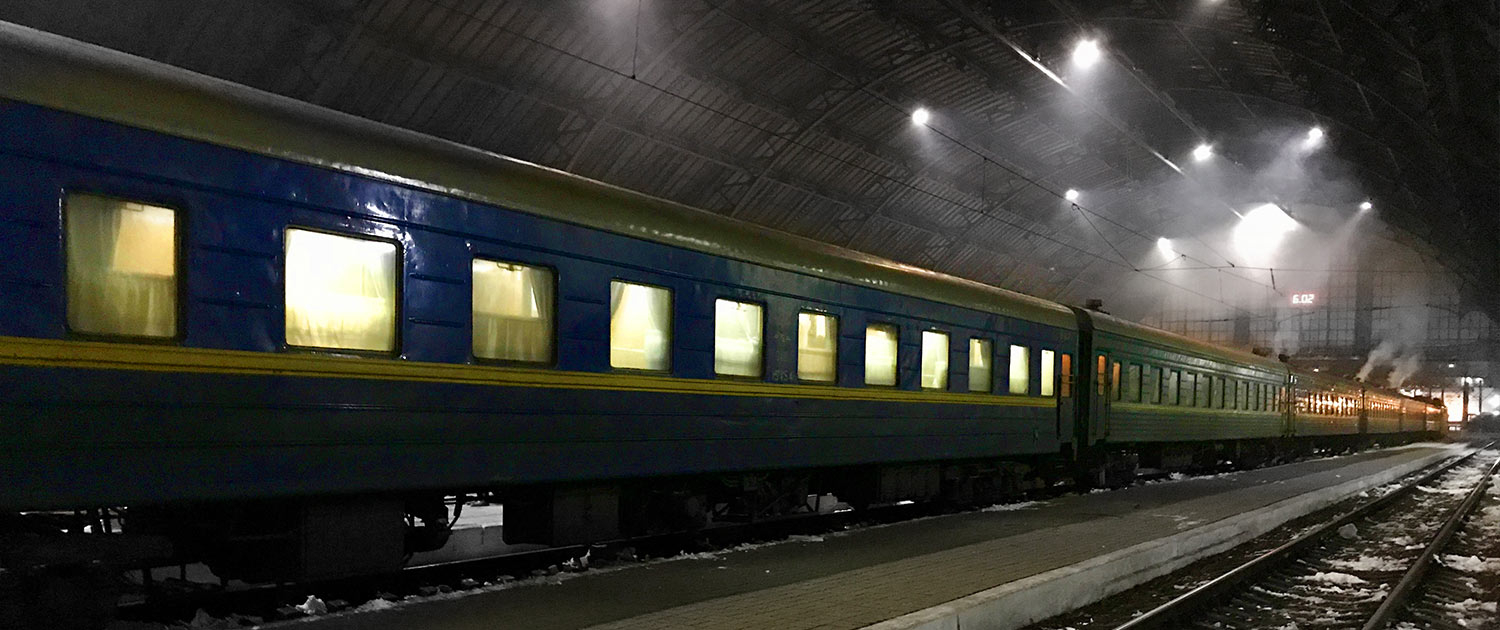
Russia’s Attack on Ukraine
Russia’s attack on Ukraine has disrupted 30 years of post-cold war predictability in Eastern Europe, the Caucasus and Central Asia. Whether Russia suffers defeat or prevails in its war of aggression, regional dynamics that seemed unthinkable prior to 24 February 2022 could start to emerge. In Ukraine, especially, the war has already upended years of stable public attitudes on topics like relations with Russia, political leadership, judicial reform and corruption. These will continue to shift as the war continues in ways that are difficult identify and understand without deep and ongoing public opinion research. Add to that the large number of returnees, battle-proven veterans, and IDPs who can’t or won’t return to their homes, the Ukrainian political landscape is more unpredictable than ever. Additionally, as funds for reconstruction start to roll in, qualitative and quantitative research will reveal Ukrainians’ priorities for how those funds are spent.
When the Predictable Becomes Unpredictable
As the war continues and the US pulls back, how space for democratic development, civil society activism and media freedom evolves — or fails to evolve — in the region is as uncertain as it is intriguing. Ukrainians and Belarusians are at vastly different stages of their democratic development, but both are poised to emerge stronger if the kleptocratic grip of Russia is loosened. Despite the war, Ukrainian civil society continues to fight against corruption, with strong backing from the population.
Ukraine could become a regional leader on democratization, providing a model for Belarusians, and perhaps even Russian anti-imperialists who want something different for their future. With Russia distracted, Viktor Orbán in Hungary and Aleksandar Vučić in Serbia may be forced to reassess the economic, political and security calculations they’ve made over the past decade, especially under pressure from strong protest movements. Georgia, however, is on a discouraging path of backsliding; Quirk Global Strategies has been offering advice on how to stop the slide. Moldova, despite intense overt and covert Russian pressure, continues to be a bright light in the region, holding the line against threats from the east.
The environment for democratic development, from Serbia to Russia to the Caucasus and Central Asia, may shift as rapidly as it did in 1991. Tracking public opinion as it changes will result in better informed strategic decisions and fewer missed opportunities for advocates, policymakers and companies active in the region. It can also alert decision-makers to brewing crises.
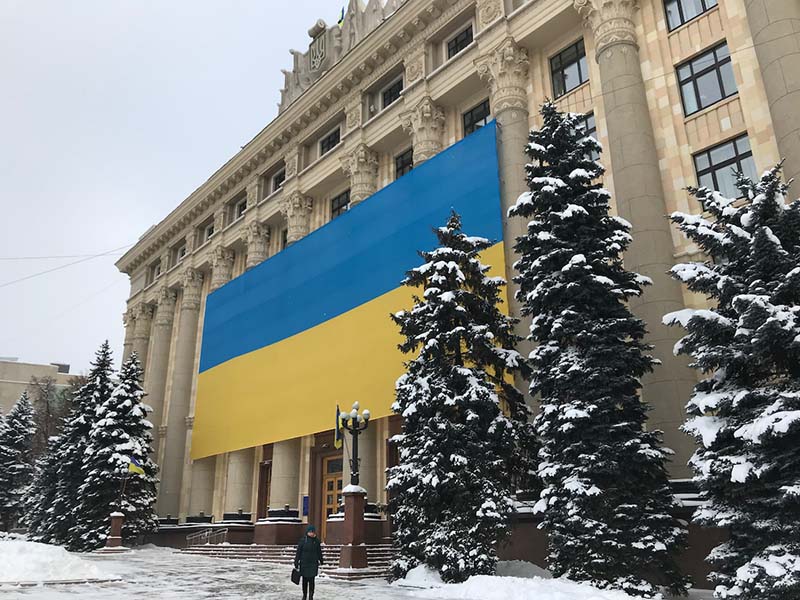

Nearly Two Decades of Eastern Europe Experience
After an early career in Warsaw in 1991, Quirk Global Strategies started working in the Caucasus and Central Asia in 2004 and Ukraine in 2006. Few western consultants have the depth and breadth of experience measuring and using Ukrainian public opinion as Christine Quirk. She has conducted hundreds of focus groups, interviews and surveys on topics as diverse as emerging political forces, LGBTQI, Russian disinformation, women in politics and transitional justice in support of advocacy campaigns. She has worked in nearly every Oblast and continues to consult with clients, despite the challenges presented by the Russian invasion. Based in Europe, we are attuned to political developments on the continent and conveniently located for easy travel.
A Finger on the Wartime Pulse
Throughout the war, QGS has also been working on innovative ways to understand public opinion in Belarus without putting respondents or field staff at risk. We have been also keeping close tabs on the dynamics shaping Russia, Poland and Serbia as well as the Caucasus.
Change is coming. Quirk Global Strategies can help you understand and be ready for new opportunities.
From the blog
 What Happens When It Takes a Long time for Russia to Lose?June 3, 2024 - 11:26 am
 Never Interrupt Your Enemy When It’s Making a MistakeMay 17, 2024 - 1:35 pm
 What Happens When Russia Loses?March 9, 2023 - 5:43 pm
 What Makes Ukrainians Special? — On the Cosmopolitan GlobalistMarch 23, 2022 - 7:07 pm